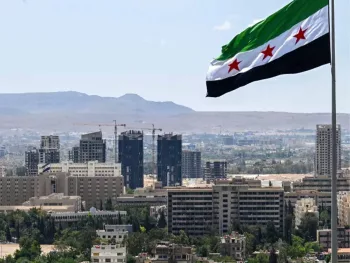
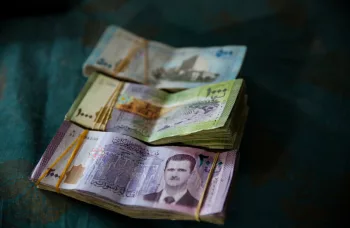
Syria Economy Enters a New Phase One Year After Regime Fall
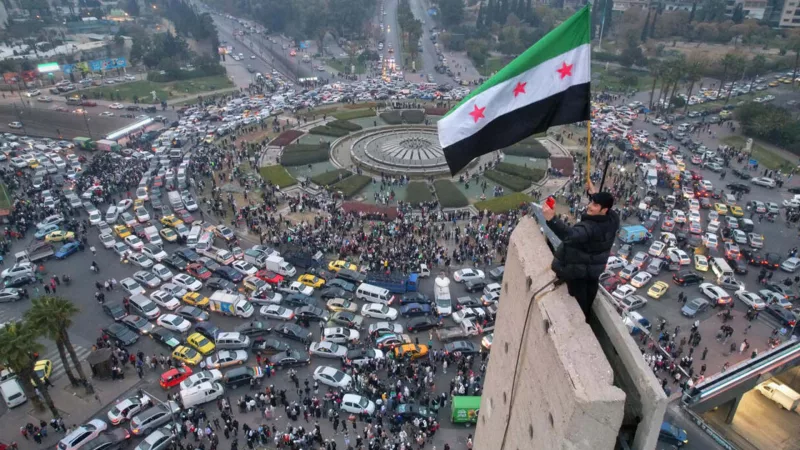
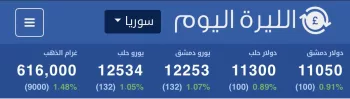
The Syria economy is showing signs of transformation one year after the fall of the former regime, following a conflict that lasted more than a decade and inflicted severe damage on the country’s economic and human foundations.
As the first year passes, a new economic trajectory is beginning to emerge despite ongoing challenges.
The lifting of most Western sanctions has been a key catalyst for the Syria economy, enabling the resumption of trade and foreign financial transactions.
This shift has reopened channels for investment at a time when the country urgently needs capital to launch large-scale reconstruction efforts.
International institutions estimate reconstruction costs in the hundreds of billions of dollars, making the recovery of the Syria economy closely tied to attracting foreign investment and rebuilding ties with global financial institutions that are gradually re-entering the market.
At the same time, the new administration is pursuing structural reforms, including privatization initiatives and infrastructure development, aimed at improving the business climate and boosting economic efficiency.
Officials view these measures as essential to achieving sustainable growth and improving living standards.
While positive indicators are emerging, the Syria economy still faces a long road ahead, with reconstruction, job creation, and full market confidence remaining key challenges.
Nevertheless, the first year has demonstrated tangible progress under more open and reform-oriented policies.